

The Aesthetic of Impermanence: Capturing the Ordinary
In contemporary photography, there is a growing shift away from orchestrated perfection toward an appreciation of spontaneity and transience. This movement, rooted in aesthetic minimalism and documentary realism, prioritises the ephemeral nature of everyday life. It elevates the ordinary, focusing on the subtle, often overlooked moments that form the texture of human experience.
Personally, this approach aligns closely with concepts drawn from wabi-sabi, the Japanese philosophy that embraces imperfection and impermanence. It challenges conventional visual hierarchies by placing equal value on the mundane and the evocative. By emphasising natural light, candid framing, and minimal post-processing, photographers practising this style invite viewers to engage with imagery that is less about spectacle and more about presence.
As this visual language gains traction, particularly in the context of street and documentary photography, it offers a compelling counterpoint to hyper-curated digital media. It calls attention to transient beauty and imperceptible narratives, prompting audiences to slow down and connect with the present. In doing so, it reframes image-making not as a search for perfection but as a meditation on impermanence.
Everyday Life as a Canvas
A child playing in the rain, the soft glow of a streetlamp at dusk, or laundry swaying in the breeze- these seemingly ordinary instances tell their own stories. This style thrives on subtlety, finding beauty in what’s simple and fleeting.
Photographer William Eggleston, often credited with elevating the ordinary into art, epitomized this approach. His images of everyday settings, such as a tricycle left on a suburban driveway, the quiet interior of a diner, or a gas station under a vast sky, reveal a poetic quality in what might otherwise be dismissed as banal. Eggleston’s work has inspired countless photographers to view the everyday with a fresh perspective, demonstrating that the unremarkable can be profound.
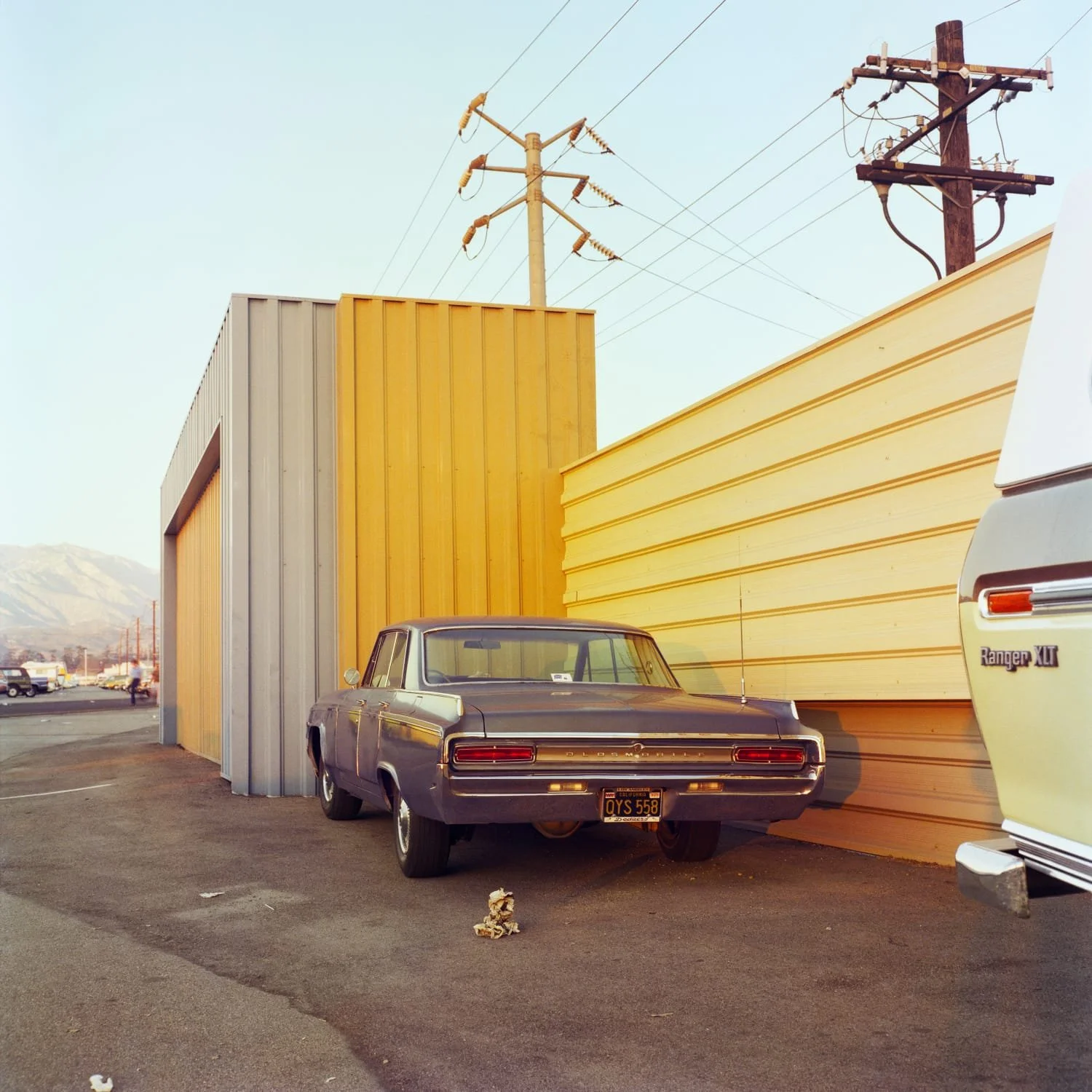
William Eggleston, Untitled, c. 1977 https://egglestonartfoundation.org/
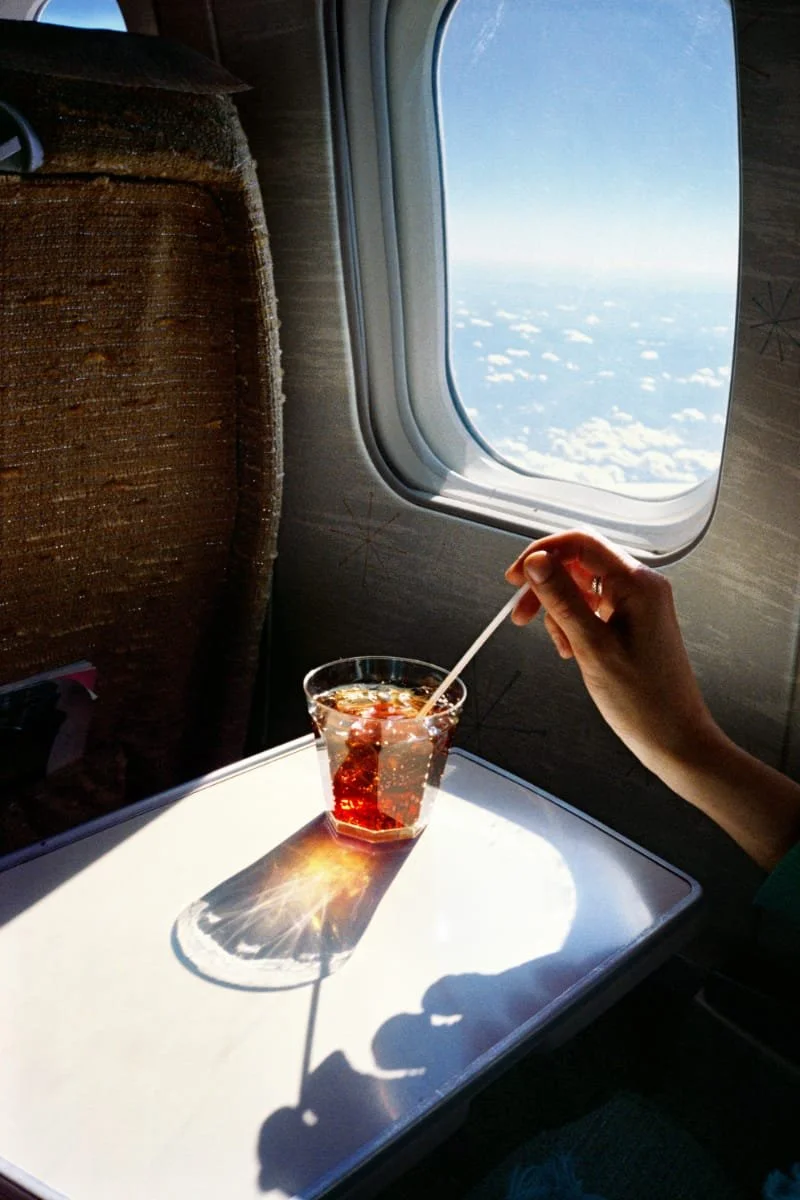
William Eggleston, Untitled, c. 1965-74

William Eggleston, Untitled, c. 1983
Sohrab Hura takes this concept further in India, weaving deeply personal narratives through his photography. His series Life Is Elsewhere captures raw, unfiltered moments from his family life, showcasing the messiness and beauty of human relationships. Hura’s work transforms seemingly mundane events into reflections of universal emotions, proving that impermanence is not just visual but deeply emotional.

Images from ‘Life is Elsewhere’ book by Sohrab Hura
Documenting the Fleeting
The aesthetic of impermanence resonates with the idea that life is in constant motion and that no moment can ever be replicated. Photographers like Rinko Kawauchi have embraced this philosophy, creating work that highlights ephemeral beauty. Kawauchi’s images, light filtering through leaves, ripples in water, or fleeting human gestures, exude a quiet reverence for the fragility of existence. Her ability to capture these transient moments turns the ordinary into meditative art.
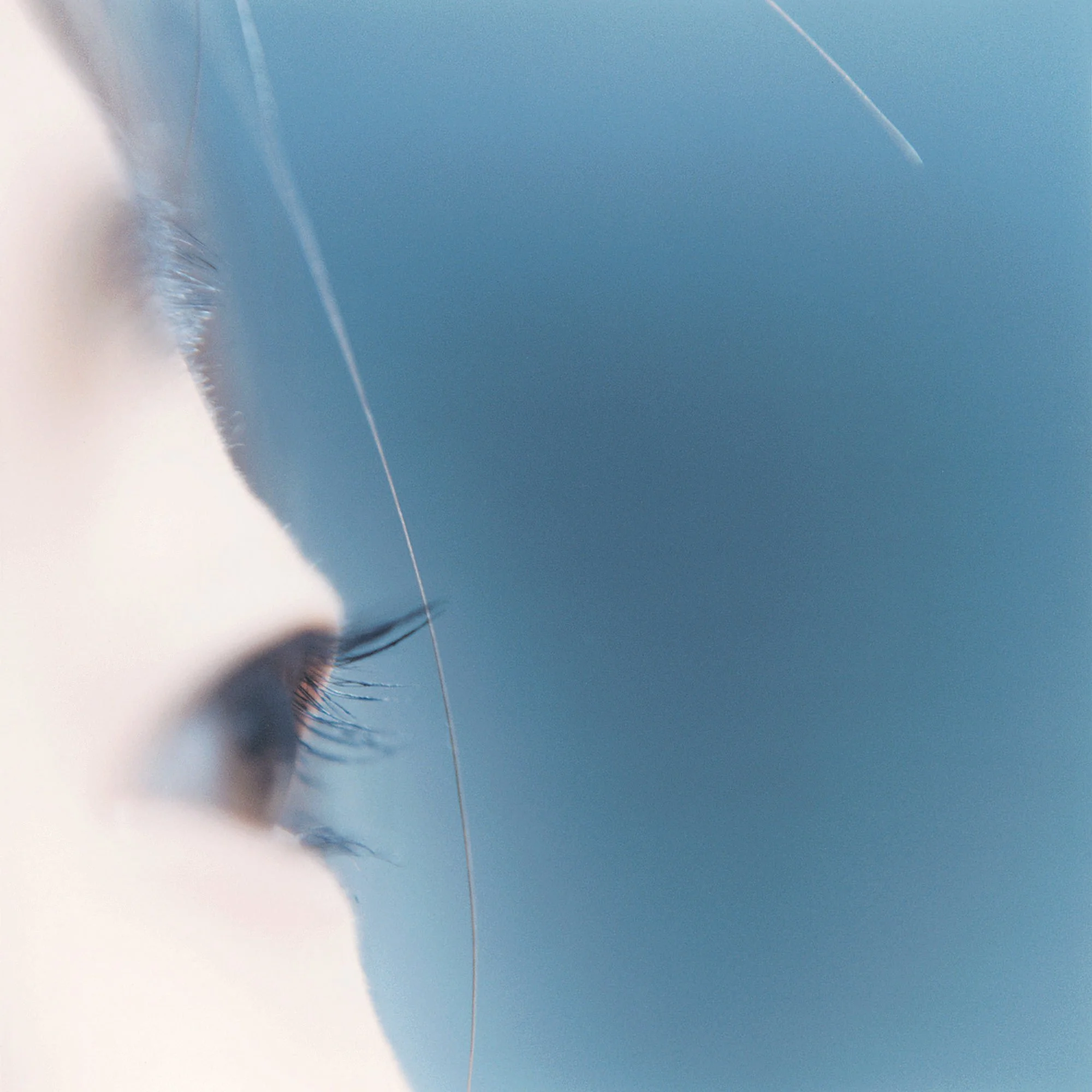
Image from ‘the eyes, the ears’ work by Rinko Kawauchi taken from https://rinkokawauchi.com/en/works/241/
Storytelling Through Impermanence
This aesthetic is more than a style; it’s a storytelling tool. By focusing on transient moments, photographers offer viewers a glimpse into the unvarnished realities of life. This approach resonates with the growing demand for authenticity in visual media, where storytelling often feels more relatable when it reflects everyday experiences.
Initiatives like Everyday Asia and Everyday Africa, part of the global Everyday Projects, exemplify this ethos. These platforms highlight candid, unfiltered snapshots of life in their regions, challenging stereotypes and offering nuanced perspectives. Their success underscores the power of impermanence as a storytelling medium, capturing not just images but the essence of lived experiences.
In India, the bustling streets of cities like Mumbai and Kolkata offer fertile ground for this aesthetic. Photographers like Vineet Vohra document the vibrancy and chaos of urban life, turning fleeting moments into visual narratives. Vohra’s photographs capture the interplay of people, colors, and motion, celebrating the rhythm and unpredictability of daily life.
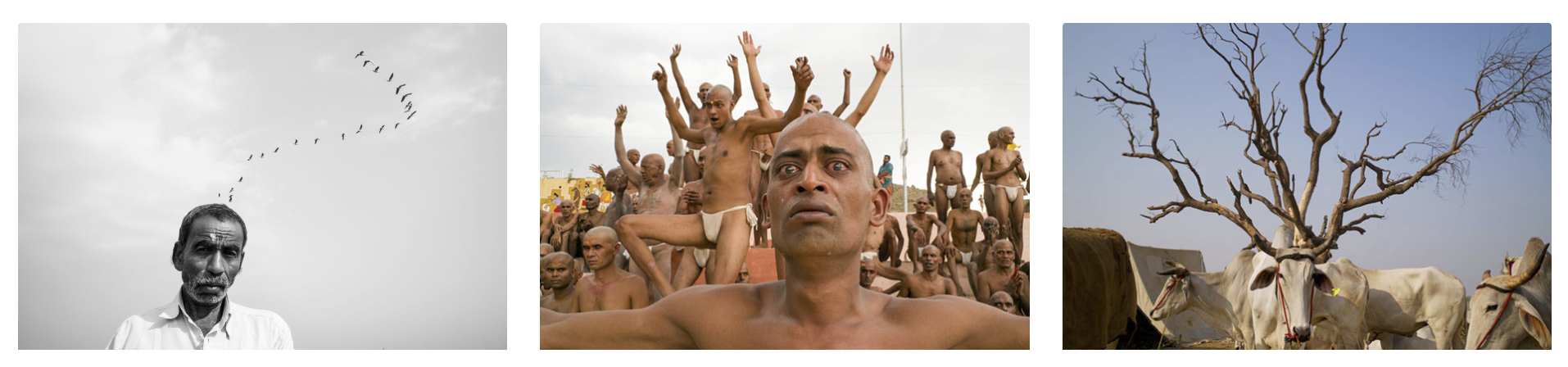
Images by Vineet Vohra taken from https://hardcorestreetcollective.com/vineet-vohra/
Practicing Impermanence
Capturing impermanence requires a sharp eye and a deep appreciation for subtlety. Photographers often rely on natural light, handheld cameras, and minimal post-processing to maintain the authenticity of their images. The goal isn’t to perfect a moment but to preserve its essence, its imperfections.
In India, the possibilities for capturing impermanence are endless. From the quiet rituals of morning chai to the vibrant energy of a marketplace, the country’s diversity and rhythm offer photographers a wealth of transient beauty to explore.
Why It Matters
In a fast-paced, hyper-digital world, the aesthetic of impermanence reminds us to slow down and appreciate the present. By focusing on the fleeting, photographers encourage us to see beauty in imperfection and meaning in the mundane. These images are not just photographs but visual meditations on life’s transitory nature.
For photographers, this approach offers a chance to connect with their subjects on a deeper level, celebrating the richness of life as it is, rather than as we wish it to be. As the aesthetic of impermanence continues to grow in popularity, it invites us all to cherish the beauty of the everyday, which, while fleeting, is no less significant.