

Climate Change as a Photography Subject
Documenting climate impacts, environmental activism, and nature’s response to global changes
Climate change is a lot of things; devastating, urgent, and visually powerful. For photographers, the unfolding environmental crisis offers not just a subject but a responsibility. Through their lenses, they document the catastrophic impacts of rising temperatures, the resilience of nature, and the tireless work of activists. Photography becomes more than art; it becomes evidence, advocacy, and a call to action.
Photographs of melting glaciers, parched landscapes, and smoke-choked skies have become symbols of our warming planet. While scientific data is crucial, it’s the visceral impact of images that often sparks public outrage and action. A 2019 study published in Nature Climate Change found that visual storytelling is one of the most effective ways to increase public understanding of climate issues. After all, it’s hard to argue with a picture of a polar bear stranded on a shrinking ice floe.
You can see it in the images. And ice is a tangible canary in the global coal mine. It’s the place where we can see and touch and hear and feel climate change in action.
- James Balog
Photographers like James Balog, whose Chasing Ice project who captured time-lapse footage of glaciers receding at unprecedented rates, have brought the abstract idea of climate change into sharp, undeniable focus. In India, images of the rapidly retreating Himalayan glaciers, such as the Gangotri Glacier, serve as stark evidence of the crisis closer to home.
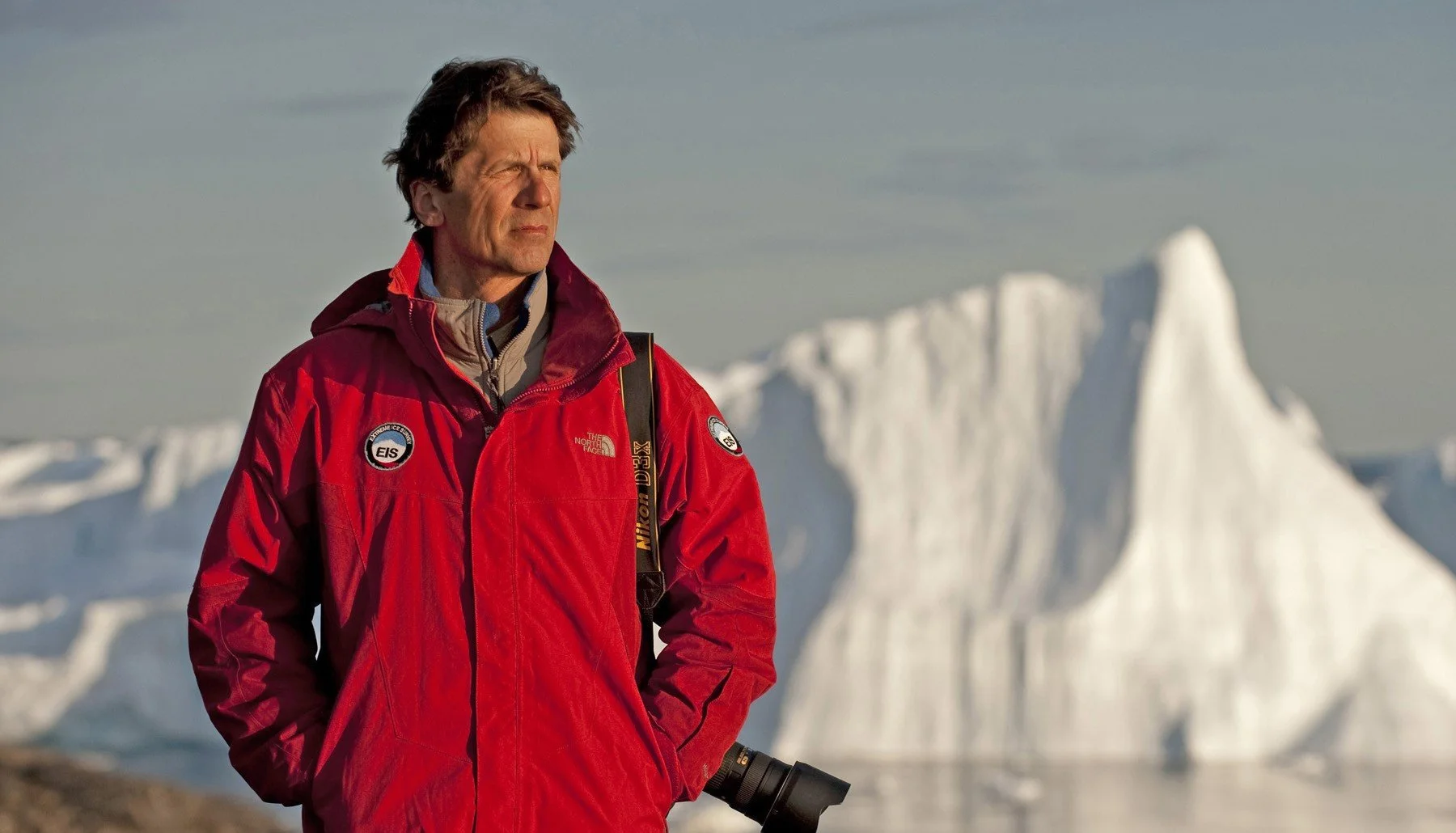
James Balog, sourced from the Heinz Awards website, www.heinzawards.org. Image courtesy of Heinz Awards."
India, one of the countries most vulnerable to climate change, has its own unique visual narratives. With rising sea levels threatening coastal cities, erratic monsoons disrupting agriculture, and record-breaking heatwaves pushing communities to their limits, the impacts are as visible as they are devastating. Photographers like Arati Kumar-Rao have been instrumental in documenting India’s environmental struggles. Her work captures the effects of climate change on marginalized communities and ecosystems, from the drying rivers of Punjab to the vanishing mangroves of Sundarbans. These images don’t just tell a story, they issue a warning.
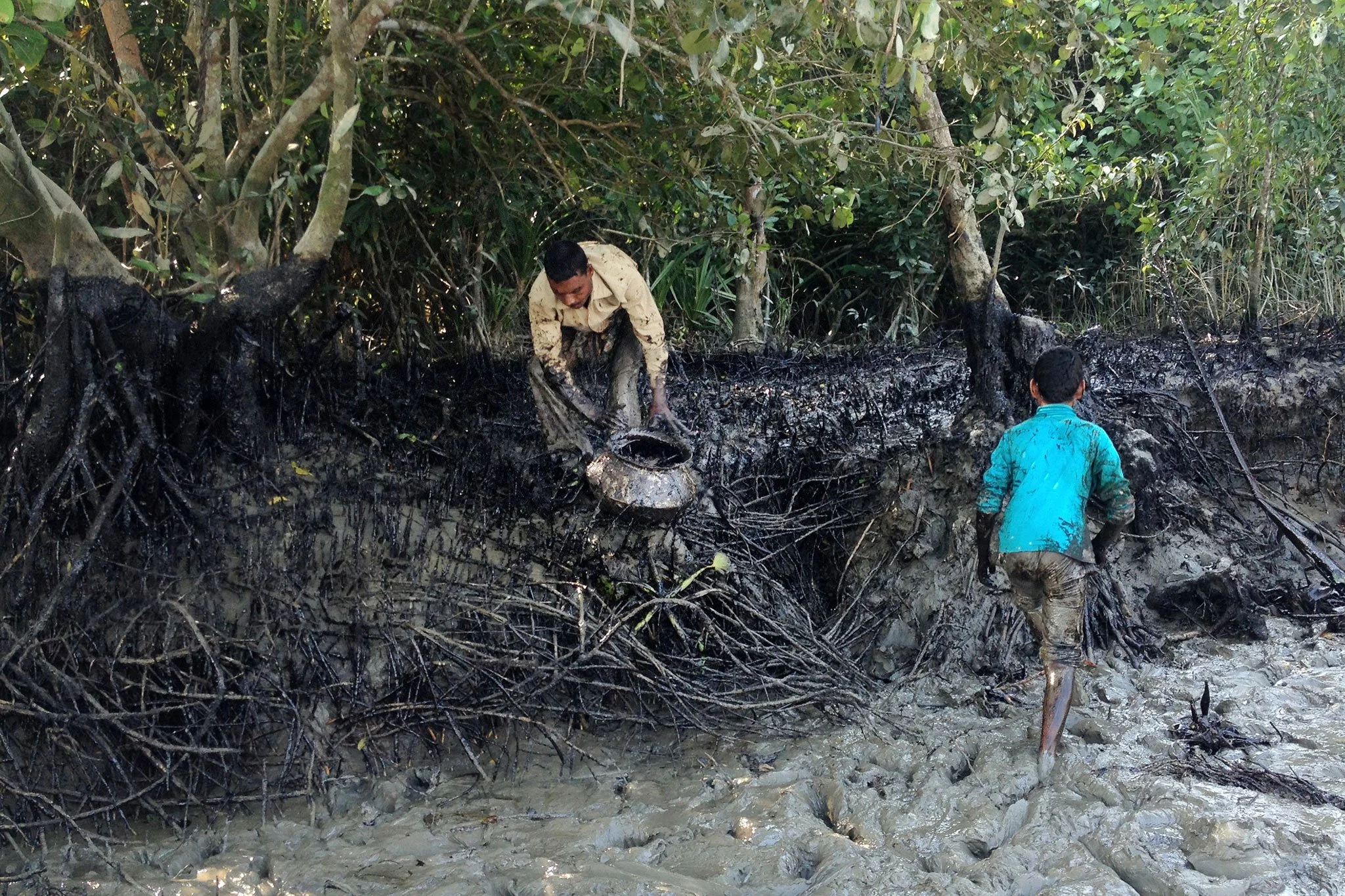
Photo from Arati Kumar-Rao's project "The Sundarbans: Fight for Survival", sourced from her official website (www.aratikumarrao.com/sundarbans).
The recent floods in Himachal Pradesh and the drought-like conditions in parts of Maharashtra are vivid examples of climate chaos. These events, documented by both professional and citizen photographers, highlight how India’s diverse landscapes and populations are at the frontline of the crisis. Photography of these moments serves not just as a record but as a reminder of the urgency of action.
Photography also plays a critical role in documenting environmental activism. The Chipko Movement, one of India’s earliest environmental campaigns, was immortalized through photographs of villagers hugging trees to protect forests. Today, similar visual documentation continues with movements like Save Aarey in Mumbai, where photographers and activists captured protests against deforestation for urban projects. A striking photo of tribal women in Odisha holding banners against mining companies or children in Delhi protesting against air pollution doesn’t just make headlines; it inspires action.

Image sourced from the Tottenham Trees website (www.tottenhamtrees.org). Photographer unknown.
Some photographers focus on capturing how nature fights back, even in India. The reappearance of endangered species, such as Gangetic dolphins in cleaner stretches of rivers like the Ganga, has been beautifully documented. Similarly, images from the Western Ghats a biodiversity hotspot showcase nature’s resilience, inspiring efforts to conserve these regions before they are lost.
Photographing climate change comes with ethical challenges. Should photographers prioritize aesthetics or urgency? Is it exploitative to capture the suffering of those most affected by environmental disasters? Moreover, photographers must grapple with the carbon footprint of their own work. Many Indian photographers are adopting sustainable practices, choosing local projects over distant ones or using renewable energy sources to offset their impact.
As climate change reshapes our planet, photographers hold a unique position. Their work isn’t just about documenting what’s happening; it’s about influencing what could happen next. By capturing the beauty, the tragedy, and the activism surrounding climate change, they ensure that the crisis isn’t just seen it’s felt. For India, a country grappling with the dual challenges of development and environmental preservation, these images are particularly potent. They reflect not only the urgency of the crisis but also the resilience of its people and ecosystems.